
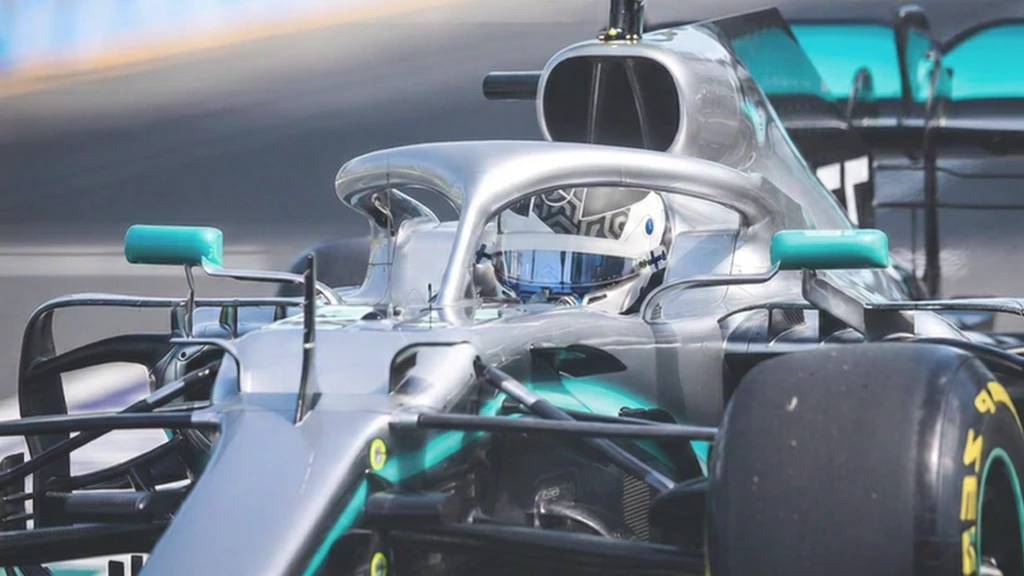
Pitot tubes in F1 have been a trusted engineering tool for over a century, and one that Furness Controls has been manufacturing for decades.
Small Tool, Massive Impact; Pitot Tubes in F1 cars
With the Formula 1 2026 season well underway, millions of eyes turn to the fastest cars on the planet. But behind every fast lap time lies a tool that engineers have trusted for over a century, and one that Furness Controls has been manufacturing for decades. Small but mighty, pitot tube instruments are used in F1 to measure the aerodynamics of the car; from wind tunnel testing and on-car flow mapping to studies of pressure distribution across every surface. It is small enough to hold in your palm, yet powerful enough to shape the aerodynamics of the world's fastest cars.
How Are Pitot Tubes Used to Test F1 Cars?
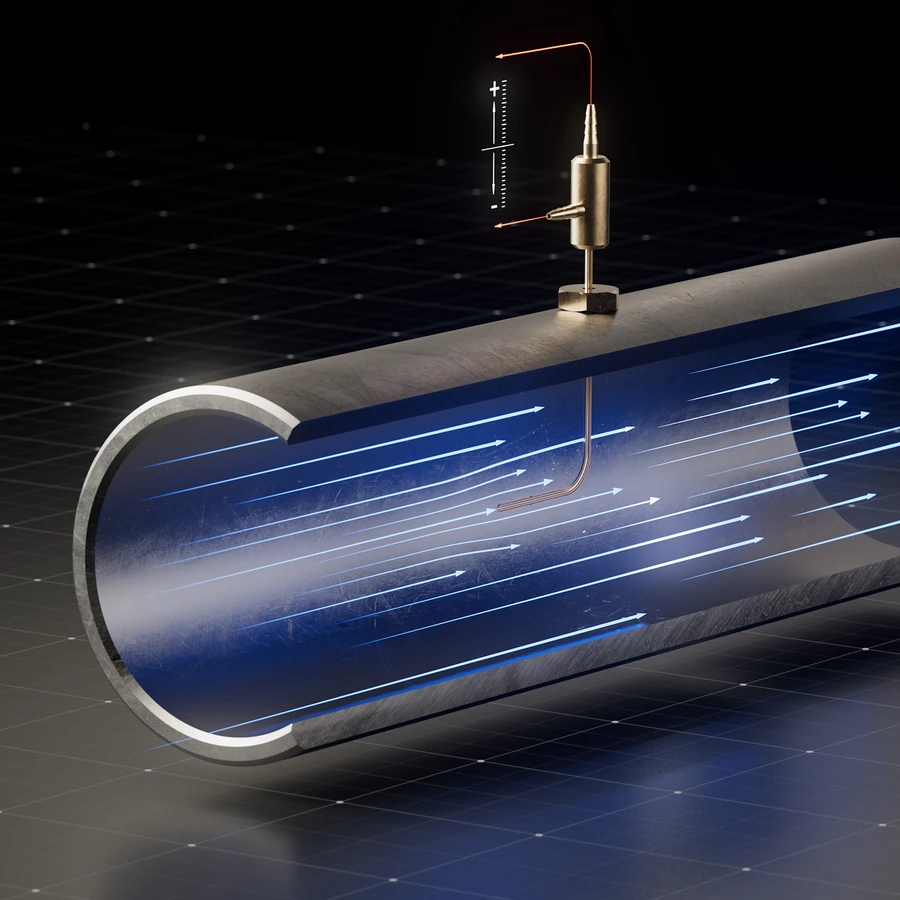
Pitot tubes are widely used to measure fluid flow in engineering and sports, not as a navigation or real-time racing instrument, but as the primary tool for engineers to understand and optimise the incredibly complex airflow around the ever-developing modern F1 car. The key to F1 aerodynamic development is wind tunnel testing. Scale models are placed within these precisely controlled environments, where engineers deploy a range of velocity measurement and flow visualisation techniques to build an accurate picture of airflow behaviour. Pitot tubes are central to this process. Deceptively simple to implement, they consistently deliver exceptional depth and quality of data.
The Pitot Tube Aero Rake
In wind tunnels, pitot tubes are rarely used in isolation. They are arranged in grid-like arrays called aero rakes; elaborate structures that map invisible pressure and turbulence across an entire cross-section of airflow simultaneously. The result is a detailed, three-dimensional portrait of how air moves around the car.
This data then serves a vital purpose: validating Computational Fluid Dynamics (CFD) simulations. CFD results are compared with wind tunnel
model tests for aerodynamic correlation, creating a continuous feedback loop that drives the development of ever more sophisticated testing methods. Without pitot tube data anchoring the simulations in physical reality, CFD would be little more than an educated guess.
How Pitot Tubes Shape F1 Performance
Aerodynamic Correlation: Real-world track data is compared against CFD and wind tunnel models, ensuring simulations reflect true on-car behaviour. Aerodynamics reduces drag and generates downforce, letting the car stick to the road at impossible speeds.
Wind Effect & Fuel Strategy: Pitot tubes calculate how local headwinds or tailwinds affect aerodynamic efficiency and drag, allowing engineers to dynamically adjust fuel consumption estimates and dictate pit stop strategies in real time.
Detecting Wing Stalls: Sudden drops in localised airspeed signal that a wing has stalled or lost optimal airflow. Engineers can detect this instantly and adjust the car's balance before performance is compromised.
Cooling Management: Placed under the car or near brake ducts, pitot tubes measure airflow to ensure brakes and radiators remain within safe thermal limits; a critical factor as power units push beyond 1,000 bhp.
Although GPS mostly tracks an F1 car's speed today, a pitot tube placed on top of the car measures airspeed directly; giving engineers a completely different data dimension. The difference between ground speed and airspeed is the story of aerodynamic efficiency. The story that shapes the design of every wing, floor, and bargeboard.
Considering if you need pitot tubes for your application?
If you ever get to experience the feel of the high-pitched V6 engine vibrations resonating through your chest, remember that the margins enabling that spectacle were carved out, in part, by a slender tube measuring air pressure differentials to fractions of a pascal.
It’s testament that proven technology of over 100 years, remains key to innovative engineering to date.
Furness Controls has been manufacturing precision pitot tubes for decades. Trusted by engineers who can't afford to get it wrong. Whether you're developing the next generation of F1 aerodynamics or optimising airflow in demanding industrial environments, explore our range of pitot tubes, here, or get in touch with our team of experts today.