
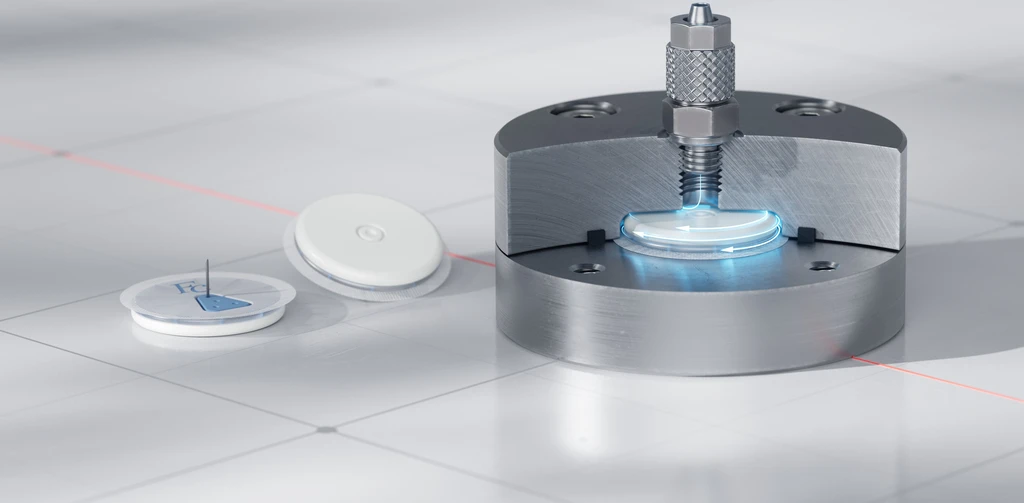
Medical Devices are high values products where quality and performance are paramount, and failure rates need to be effectively zero. Many devices contain hermetically sealed voids for electronics and other components which must remain intact, with no possibility of outside contamination.
At Furness, we can test wearable medical monitors and probes such as glucose sensors, implantable devices such as pacemakers or insulin pumps, and drug delivery devices designed for precise dosage.
Whatever your application, the manufacture of these products calls for high-precision leak and flow testing from Furness.
Safety & performance
For sealed medical parts, there are multiple reasons to test leak-tightness: fluids must be contained, precise dosages guaranteed, and sensitive electronics protected.
For hermetically sealed medical parts, there are two main reasons you need leak-tightness testing:
Ingress: movement of fluids or other contaminants into the device can damage electronics or other components, causing it to fail or malfunction in a critical way.
Egress: internal chemicals, such as battery fluid, would pose a significant health hazard if they leaked from the product.
In either direction, any movement of fluids in or out of a wearable or implantable device could allow it to act as a reservoir for infection.
What are the primary testing methods for medical devices?
For devices that dispense or dose medications, flow can be measured with air or gas using our range of production-line flow testers. Our leak testers can also check for undesirable flow: for example, when a valve is closed, or reverse flow if a check-valve is built into the device.
If precise flow measurement isn’t required, our leak testers can run blockage testing alongside leak measurement: checking, for instance, that a small valve is leak-tight when closed and unblocked when open.
Many medical devices fall into the category of sealed parts, where the device is closed during manufacture in a clean environment. This adds complexity to the test setup.
How can I test whether a sealed device is leak-tight?
Our leak testers use precise volumetric techniques together with a high-precision differential pressure sensor. This combination measures the amount of air or other gas that moves in or out of the product during a test: ideally, none at all.
This method is known as dump testing. It gives an accurate assessment of leak rates in a short period of time, and manufacturers rely on it for production-line testing because it’s accurate, repeatable, and fast enough for high-throughput lines.
Can we still test these parts as they get smaller?
As wearable and implantable medical technology improves, devices, and the testable free volume inside them, keep shrinking. Furness sits at the high-accuracy end of differential pressure measurement, with our capacitive sensors designed and built in-house at our UK factory.
To meet the need for testing ever-smaller sealed volumes, we recently developed the ‘dual dump’ process. In traditional sealed-part testing, measurement accuracy depends on the ratio between the volume of the surrounding chamber and the volume inside the part: the smaller that ratio, the harder it is to measure precisely. Our dual dump process introduces a compensating extra volume that eliminates much of this measurement noise, enabling accurate testing of parts down to 0.1 cc (0.1 ml).
What kind of sealed parts can we test?
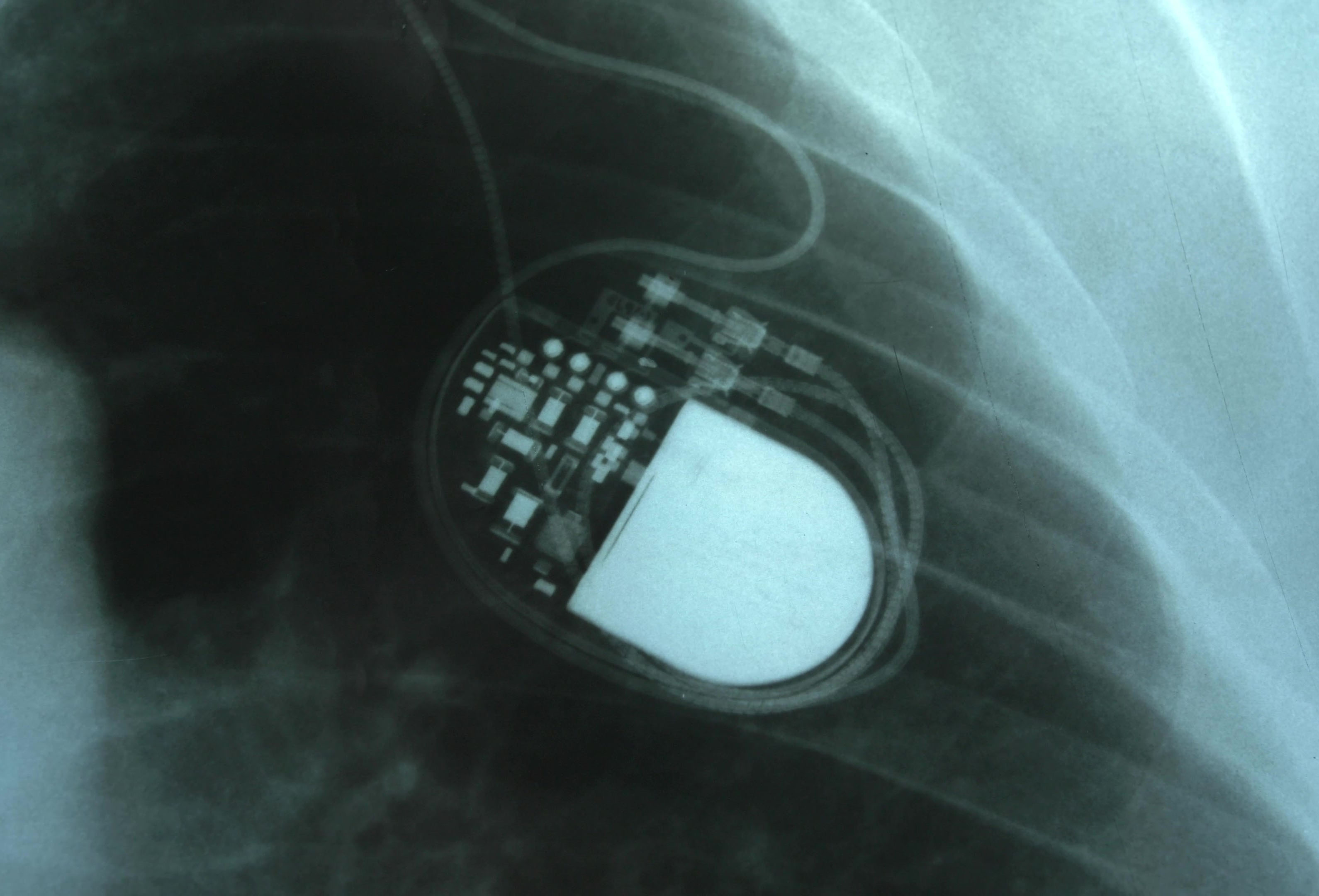
• Blood monitors
• Glucose pumps, including waterproof devices with an IPX8 rating
• Cochlear implants and hearing aids
• Implanted heart monitors and pacemakers
• Electronic and mechanical equipment used in the operating theatre
What other medical parts can we test?
• Blood bags
• Catheters
• IV drip bags and valve assemblies
Sealed part testing
Standard pressure decay leak testing introduces air or another gas at a precisely controlled pressure, with a differential pressure sensor measuring any subsequent pressure change.
For hermetically sealed parts, this setup is more complex: there’s no port through which to introduce pressurised air, and contaminating the inside of the part once it’s sealed isn’t an option.
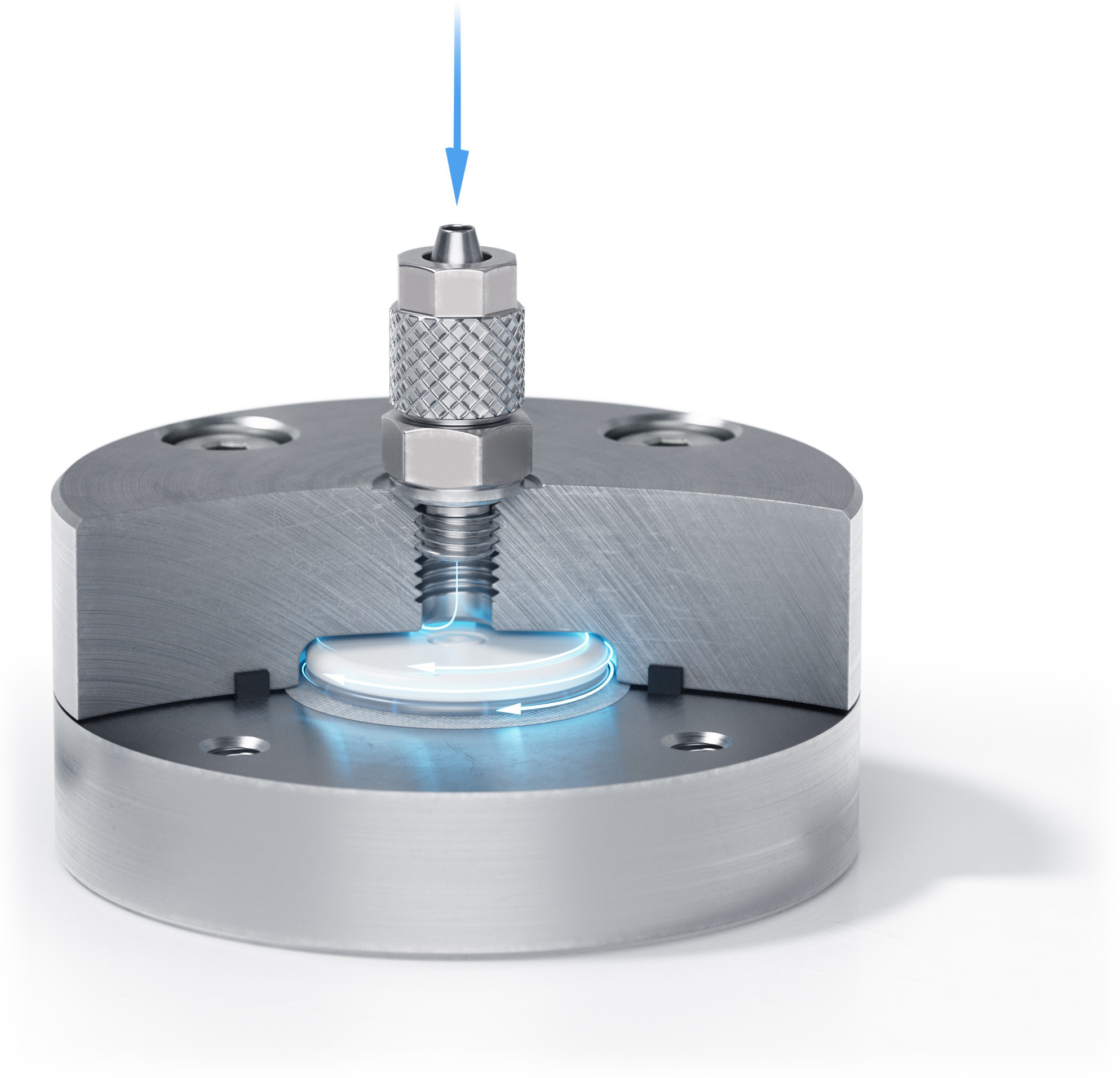
Instead, we place the part inside a sealed pressure chamber. The leak tester creates a pressure, either vacuum or above atmospheric, in a separate volume. Once ready, that volume is opened to the chamber, and the tester measures the resulting pressure to calculate the part’s volume.
Three outcomes are possible: the part leaks quickly and the pressure stabilises at the wrong value; the part leaks slowly and the pressure drops steadily; or the part is sound, and a stable pressure confirms that no air has entered or left it.
The Furness range of leak testers has the accuracy to distinguish between all three scenarios, quickly pinpointing defective devices before they reach the end user.
Our next-generation sealed part test
Standard sealed-part testing introduces a precise volume and pressure of gas into the test chamber. The ratio between the chamber volume (plus other components in the test equipment) and the part’s own volume has a significant effect on measurement accuracy.
Our next-generation sealed-part testing method compensates for these additional volumes, eliminating much of this measurement error and delivering industry-leading accuracy when measuring very small, sealed parts.
Flow Testing
Our programmable instruments perform precise flow measurements on valves and other components using air or other gases, rather than fluids. This is a cleaner, more reliable alternative to traditional fluid-based flow testing: there is a direct relationship between air flow and the resultant liquid flow, so results measured with air translate reliably to how the product will perform with the liquid it’s designed to handle.
These instruments are highly automated and can run rapid tests across a range of flows and pressures, giving you a thorough assessment of product performance without the mess, waste, and cleanup that fluid-based testing involves.

Get in Touch
Whatever the size, shape, or sealing method of your medical device, Furness can help you build leak and flow testing into your production line. Get in touch with our team to discuss your application and find the right test method for your product.